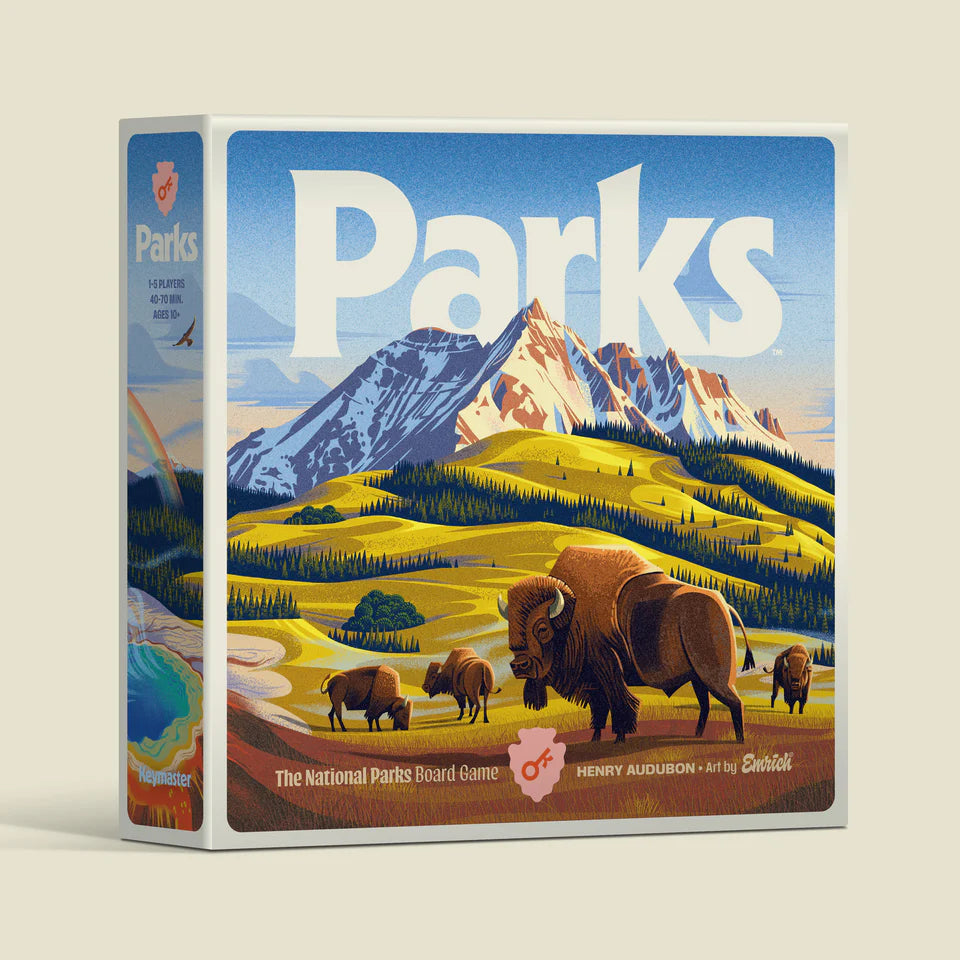
Parks has been a huge success since its original release in 2019. Players who love this modern classic or want to add it to their collection might wonder about the differences between the first and second edition.
The second edition shows off a completely different art style. The game's trail stays consistent throughout instead of expanding each season. Players now experience a more efficient three-season structure that replaces the original's four seasons. On top of that, it has a better organised player board that brings the backpack and canteen together into one unified piece.
The new edition delivers faster gameplay than the earlier version. First-time buyers might ask which version they should pick. We'll break down all the core differences between both editions to help you choose the right one for you.
Gameplay Mechanics: Trail, Actions, and Season Flow
The biggest gameplay change in the parks board game relates to how players guide themselves through the trails during their experience.
Trail Length: Fixed vs Expanding Paths
The parks board game first edition uses an expanding trail system. A new trail site gets added after each season, which makes trails longer as the game moves forward. So, the final round has three more tiles than the first season. The parks board game 2nd edition keeps the same trail length in all seasons. The second edition brings variety by mixing trail tiles in a hiking trail bag before each round and placing them on predetermined spaces.
Season Structure: 3 Rounds vs 4 Rounds
The parks board game second edition makes gameplay more efficient by cutting down seasons from four to three. This change affects the overall pacing a lot. Players find the second edition more "snappy" than the first one. The first edition used four seasons and expanding trails that made rounds take longer as the game progressed.
Trail Die: New Random Bonus Mechanic
The 2nd edition adds the trail die - a brand new gameplay element that didn't exist in the original version. Players get various bonuses like resources, animals, and canteen actions when they visit certain trail sites. Passion cards, gear cards, and some park cards can trigger the die. This adds an exciting element of chance to what used to be a more predictable game.
Campfire and Movement Rules Adjusted
The second edition changes how campfires work in the parks board game. The original game let hikers share spaces with others on the trail using campfires. The new version only relights campfires at the season's end instead of more often. This makes movement choices matter more. Players need to think carefully about when they use their campfire to share spaces.
Scoring and Strategy: Passion Cards, Photos, and Bonuses
The parks board game second edition brings substantial changes to its scoring system, giving players new ways to plan their strategy.
Passion Cards vs Year Cards: Hidden vs Open Objectives
The second edition replaces secret year cards with passion cards that work in a completely different way. Year cards used to give hidden end-game bonuses worth 2-3 points. Now passion cards show open objectives that let players pick between an ongoing game effect or end-game scoring bonus once completed. Players face a tough choice - complete their passion early to get more from the ongoing effect, or wait until late game when the scoring bonus could be worth more.
Photo System: Camera vs Shutterbug Badge
The game now has a more efficient photography system. Players use the shutterbug token instead of the original camera to take two photos with each photo action. Photos cost just one resource now, not multiple tokens like before. The shutterbug token moves between players throughout the game as they land on the shutterbug space.
Season Bonuses: Competitive End-of-Round Rewards
The new edition adds unique season bonuses that reward players who best meet certain conditions, such as gathering the most water tokens. Spring and summer typically give out resources as rewards. Fall season is especially valuable in close games since it gives three bonus points to the winner.
Multiple Park Visits: One Action, Many Parks
One of the most influential changes lets players visit unlimited parks in a single turn if they have enough resources. This makes park acquisition much faster compared to the first edition's one-park-per-turn limit. The result is an exciting race to claim the best parks.
Component and Visual Upgrades in the 2nd Edition

The second edition of the parks board game features major upgrades to its physical components that improve both functionality and visual appeal.
Player Boards: Backpack and Canteen Integration
The addition of player boards with integrated backpacks and canteens stands out as the game's most notable component change. Players now have dedicated spaces for resources, passion cards, gear cards, reserved parks, and photos on these boards. This unified design creates a smoother play experience compared to the first edition's loose item placement system.
Canteen System: Token Activation vs Card Use
The game's canteen mechanic has undergone a complete transformation. While first edition canteens were simple cards filled once with tokens, the new version features three token rows with draught spaces on the board. Players now activate an entire row's bonuses at once when adding water, which adds strategic depth and personalisation options.
Artwork: Fifty-Nine Parks vs Unified Art Direction
The artwork changes are maybe even the most debated update. The first edition used licenced illustrations from the Fifty-Nine Parks print series, which created a nostalgic but varied look. Josh Emrich and Lisk Feng's new artwork for the second edition delivers a unified, vibrant, and contemporary visual style across all components.
Card Count and Gear Options: Streamlined for Balance
The game now includes all 63 U.S. National Parks, up from the original 48. The gear cards have received balance adjustments that make them more attractive to players. These changes enable powerful engine-building combinations that the first edition lacked.
Expansion Content and Solo Play Integration
The Parks board game world goes way beyond the base game. Two major expansions add exciting new gameplay elements to both editions.
Nightfall and Wildlife Features in Base Game
Nightfall changes the game in a big way by adding campsites next to the standard trail. Players can use these sites to convert resources and get new year cards. The expansion's year cards let you score unlimited points based on what you achieve during the game. These cards pack much more punch than the base game's 3-point maximum cards. The Wildlife expansion brings in a big bison token that moves between park cards. Players who visit these parks get wildlife tokens. Both expansions combine smoothly with either edition, though some components differ based on your version.
Automa System: Ranger Teddy for Solo Mode
Solo players can dive into the Parks board game with the Ranger Teddy system. Automated ranger hikers move along the trail between your turns. The solo mode keeps the relaxing feel of multiplayer games but adds its own challenges. Rangers move when you reveal gear cards, and their star values decide how far they go. Rangers also collect weather tokens that trigger events. Sometimes these events make you discard resources - something that doesn't happen in multiplayer games. The solo mode becomes easier once you learn the ranger movement patterns.
Box Organisation: All-in-One Storage Solution
Both editions can fit all expansion content in one box if you organise it right. Many third-party inserts come with special spots for tokens, cards, and tiles. They have room for both Nightfall and Wildlife pieces. These storage options usually include tree stump-shaped token holders, dividers for different card decks, and spaces for bigger items like the bison token. A well-laid-out box means quick setup, so you can start exploring the wilderness faster, no matter which edition you own.
Comparison Table
|
Feature |
First Edition |
Second Edition |
|
Gameplay Mechanics |
|
|
|
Number of Seasons |
4 seasons |
3 seasons |
|
Trail System |
Grows each season |
Stays fixed throughout |
|
Trail Die |
Not included |
Added feature with resource and animal bonuses |
|
Campfire Rules |
Requires frequent relighting |
Relights only when season ends |
|
Scoring Systems |
|
|
|
Objective Cards |
Hidden year cards worth 2-3 points |
Open passion cards let players choose effects |
|
Photography System |
Uses camera mechanism |
Features shutterbug token allowing 2 photos per action |
|
Park Visits per Turn |
Players can visit one park |
Players visit multiple parks with enough resources |
|
Season Bonuses |
Not included |
Each season offers unique bonuses |
|
Components |
|
|
|
Player Boards |
Backpack and canteen are separate |
Backpack and canteen work as one unit |
|
Artwork Style |
Features Fifty-Nine Parks prints |
Shows unified art by Josh Emrich and Lisk Feng |
|
Number of Parks |
Contains 48 parks |
Includes 63 U.S. National Parks |
|
Canteen System |
Cards get filled once with tokens |
Contains three rows with token activation |
|
General Features |
|
|
|
Price |
Not listed |
Costs between $50-$59 |
|
Game Pace |
Takes longer with slower rounds |
Moves faster with quick gameplay |
|
Photo Cost |
Requires multiple tokens |
Needs one resource |
|
Trail Setup |
Not specified |
Players use textured hiking trail bag |
The differences between both PARKS editions go well beyond simple cosmetic updates. The second edition features a tighter three-season structure instead of four seasons from the original. Players now enjoy a consistent trail length throughout the game rather than watching it expand each season. The new trail die adds a welcome element of chance to what used to be a more predictable experience.
The game's strategy options have changed substantially. The move from hidden year cards to open passion cards creates interesting choices about objective completion timing. Players can now visit multiple parks in one turn, which speeds up the game nicely. The shutterbug token makes photography simpler but still keeps players competing with each other.
The component upgrades improve the overall experience without doubt. Players get more organised play areas thanks to integrated boards that combine backpack and canteen sections. The second edition's unified visual style by Josh Emrich and Lisk Feng creates a more cohesive look across all 63 national parks, though some might miss the nostalgic charm of the original Fifty-Nine Parks artwork.
New buyers should pick up the second edition for the most refined PARKS experience. Its simplified rules and quality-of-life improvements make the game more available to everyone. But if you own the first edition, your decision to upgrade depends on how much these changes matter to you. The core experience stays similar despite the mechanical adjustments.
Key Takeaways
The PARKS board game second edition offers significant improvements over the original, making it the better choice for most players despite the higher price point.
• Streamlined gameplay: Second edition reduces seasons from four to three and maintains fixed trail length, creating faster, more consistent rounds than the expanding trail system of the original.
• Enhanced strategic depth: New passion cards offer open objectives with dual benefits, whilst unlimited park visits per turn accelerate gameplay compared to the original's restrictive one-park limit.
• Superior components: Integrated player boards combine backpack and canteen systems, whilst unified artwork across all 63 national parks creates a more cohesive visual experience than the original's mixed art styles.
• Better value for newcomers: First-time buyers should choose the second edition for its refined mechanics and quality improvements, though existing owners may find the upgrade optional unless they prioritise the enhanced features.
The second edition successfully addresses the original's pacing issues whilst maintaining the core wilderness exploration experience that made PARKS a modern classic. Both versions support expansions equally well, so your choice ultimately depends on whether you value the mechanical refinements and visual cohesion of the newer release.